
Understand the big picture for the sake of ourselves email:vychang@alumni.ucdavis.edu B.A. in History and Political Science, University of Claifornia, Davis, 2003 PMP, Project Management I institute, since2007 MBA, Fu-Jen Catholic University, 2008
Podcast
4 member-only
219 episodes









2026-04-21
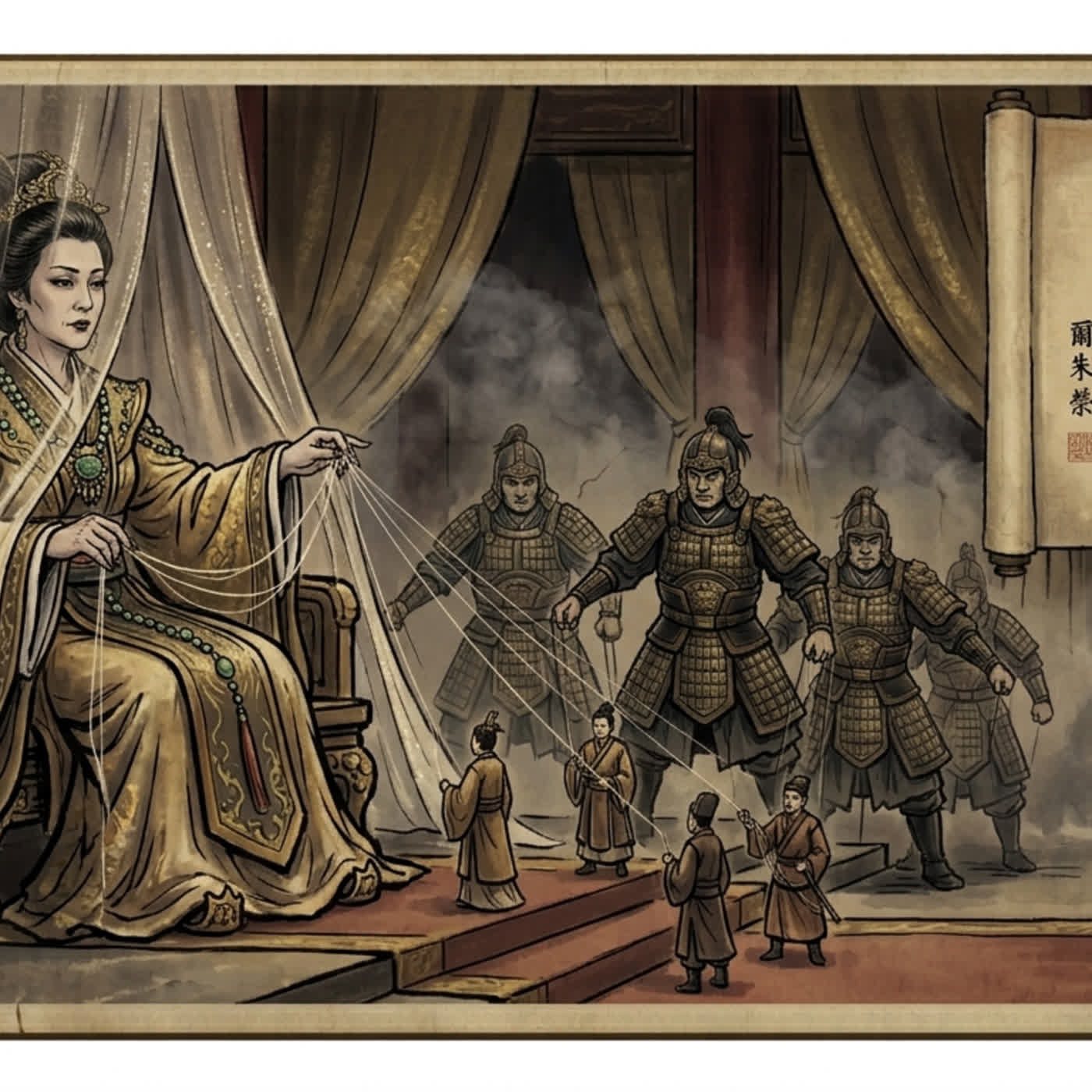
Most beautiful idiotic woman
Overview The early 6th century (515–528 AD) in China was a volatile era where the Northern Wei Dynasty—a nomadic Xianbei empire undergoing rapid Sinicization—began to tear itself apart. In his work Zizhi Tongjian Jishi Benmo, the historian Bo Yang offers a controversial yet profound critique of Empress Dowager Hu, labeling her the "Most Beautiful Idiotic Woman." This title reflects the tragic conflict between her physical allure, her political talent, and the ultimate "idiocy" of her irrational greed. -------------------------------------------------------------------------------- Historical Context: An Empire in Turmoil To understand the tragedy, one must look at the landscape of 6th-century China: * The North-South Divide: Since the fall of the Western Jin in 316 AD, China was split. The Northern Wei had finally unified the north, but they faced constant pressure from the Southern Liang Dynasty (led by Emperor Wu). * The Six Garrisons Rebellion: As the Northern Wei elite moved south to Luoyang and adopted Chinese (Han) customs, the soldiers at the northern border—the Six Garrisons—felt abandoned and discriminated against. This ethnic and economic inequality triggered a massive rebellion in the 520s. * The Sinicization Paradox: The Xianbei people were nomads at heart. While they adopted Chinese bureaucracy, the clash between their traditional "martial" roots and the new "civilized" Confucian ideals created deep social instability. -------------------------------------------------------------------------------- The Leading Actress: Empress Dowager Hu Empress Hu was a woman of immense talent and beauty, but her reign is divided into two halves: 1. The Capable Regent: Early on, she managed the empire effectively while her son, Emperor Xiaoming (Yuan Xu), was a child. 2. The Descent into Lust and Greed: As she aged, she became obsessed with power and a scandalous affair with a lover. When her son turned 17 and attempted to reclaim his rightful authority in 528 AD, she committed the unthinkable: she poisoned her own son. -------------------------------------------------------------------------------- The "Idiotic" Choice and the General's Revenge Bo Yang’s critique centers on the irrationality of human nature. * Betraying Nature: Hu killed her own flesh and blood to protect her power and her lover. Bo Yang argues this was "idiotic" because no lover could ever be as loyal or as "natural" a bond as that of a son. * The Catalyst, Erzhu Rong: The assassination of the Emperor gave the warlord Erzhu Rong the perfect excuse. He marched on the capital, captured the Empress and her infant puppet, and drowned them both in the Yellow River. This event, followed by the massacre of the aristocracy, led directly to the empire splitting into Eastern and Western Wei. -------------------------------------------------------------------------------- Core Reflections: Beauty, Lust, and Rationality Your analysis brings out three vital lessons from this history: 1. The Double-Edged Sword of Appearance: Beauty can attract influence, but it also attracts predators. Relying on physical appeal without moral grounding is a "two-sided knife." 2. The Trap of Greed: Empress Hu’s inability to "share" or "return" power to her son shows how unchecked ambition eventually destroys the possessor. 3. Cultural Friction: The tragedy was exacerbated by the clash between nomadic freedom (where remarriage and female power were common) and Confucianism (which demanded widowhood and submission). Empress Hu was caught between these two worlds and failed to navigate either. -------------------------------------------------------------------------------- Final Thought: History isn't just about dates and battles; it's a mirror for the human psyche. Empress Hu’s story serves as a cautionary tale: when lust and greed outgrow rationality, even the most powerful and beautiful figures will eventually cause their own destruction.
2026-03-24
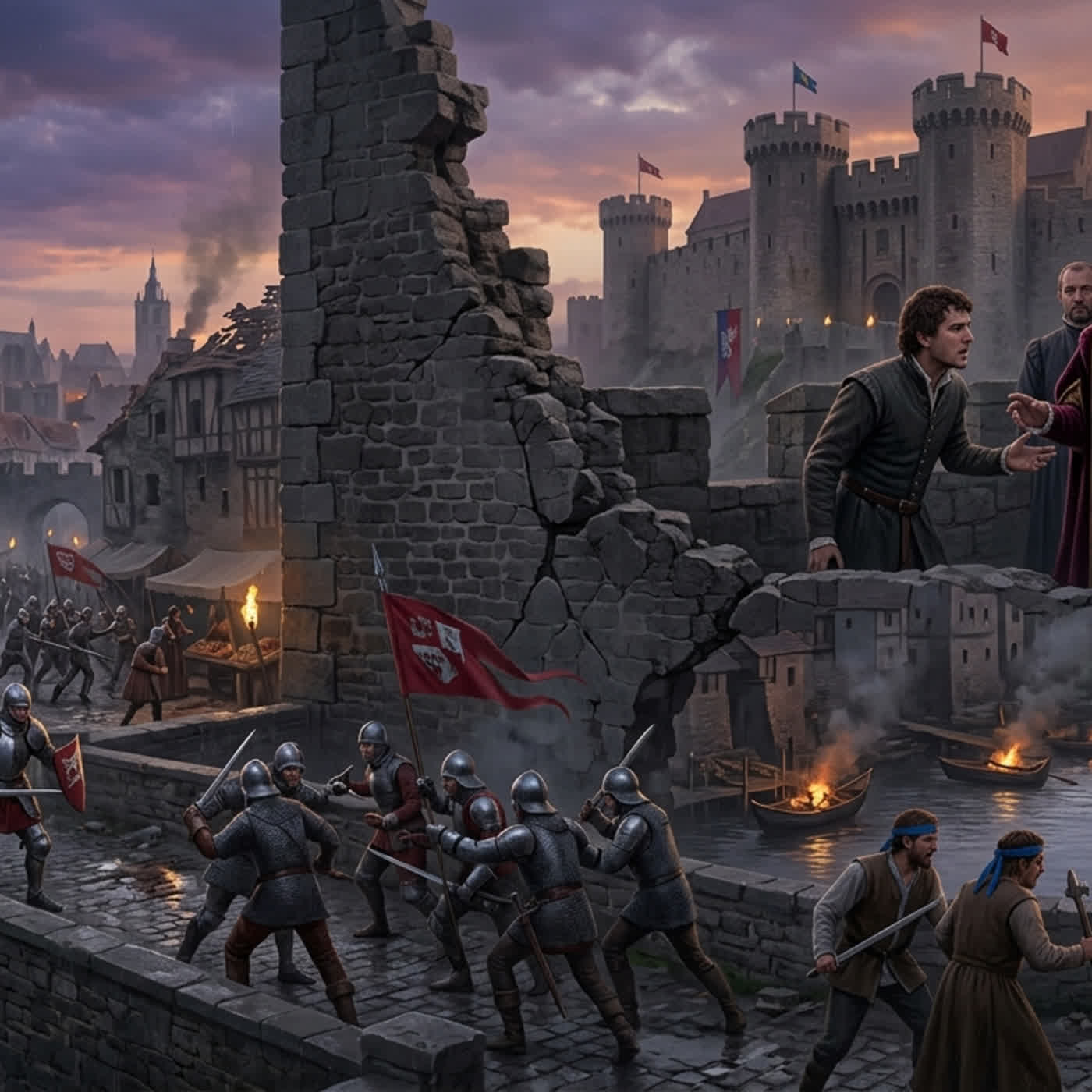
The Crown of Corpse: Why Ancient China’s Bloodiest Era is a Warning for Today
Blood, Crowns, and the Cycle of Madness The history of the Northern and Southern Dynasties is not a story of progress; it is a ledger written in blood. In his Notebooks on the Comprehensive Mirror in Aid of Governance, Bo Yang captures this era with a chilling subtitle: "The Xiao and Yuan Families: A Tournament of Internal Carnage." On one side, the Xiao family of the South; on the other, the Yuan family of the North—a clan that traded their original name, Tuoba, for a Chinese identity, only to lose their souls to the pursuit of absolute power. Bo Yang’s message is a visceral warning. He forces us to stare into the abyss of human behavior to ensure we never fall back in. The era was defined by two interlocking demons: Power Struggles and Cyclical Violence. The Architecture of Ambition In the shadows of the palace, the struggle for the throne was a multi-tiered hell. First, it was fratricide—brothers murdering brothers because, in an autocracy, blood is thinner than gold. Then, it expanded to the cliques: powerful interest groups circling the royal family like vultures, waiting for a moment of weakness. Finally, it became total war—regime against regime, North against South, fueled by a greed so insatiable that the resources of an entire nation were never enough. The Anatomy of the Cycle How does a society descend into such madness? It follows a predictable, lethal rhythm: 1. Conflict: In a democracy, we have courts and ballots. In an autocracy, a disagreement is a death sentence. 2. Betrayal: Loyalty was a currency that bought nothing. The quickest way to a rival's heart was through a traitor’s blade. 3. Bloodshed: This was the final, gruesome act. Execution was not enough; they sought to erase entire lineages. And the bitter irony? The traitors were often the first to be slaughtered by their new masters—because a man who betrays once will surely betray again. The Mirror of History Today, we live under the shield of the Democratic Republic. We have checks and balances. We have the administration, the legislature, and the judiciary—a system designed to ensure that no single hand can ever again hold the "Ultimate Power" that drove the Xiao and Yuan families to extinction. We must look into the mirror of the Northern and Southern Dynasties and realize how lucky we are. History is not just a record of the past; it is a warning for the future. We must preserve our system, for the alternative is a return to the "Internal Carnage" where humans are treated not as citizens, but as animals for the slaughter. -------------------------------------------------------------------------------- The Summary Through the lens of Bo Yang’s historical commentary, this script explores the brutal "Cyclical Violence" of the Northern and Southern Dynasties. It contrasts the horrific internal massacres and betrayals of the Xiao and Yuan royal families with the stability of modern checks and balances. The core takeaway is a plea for historical reflection: we must cherish and protect democracy to prevent the return of an era where power is bought with the blood of one's own kin.
2026-03-09
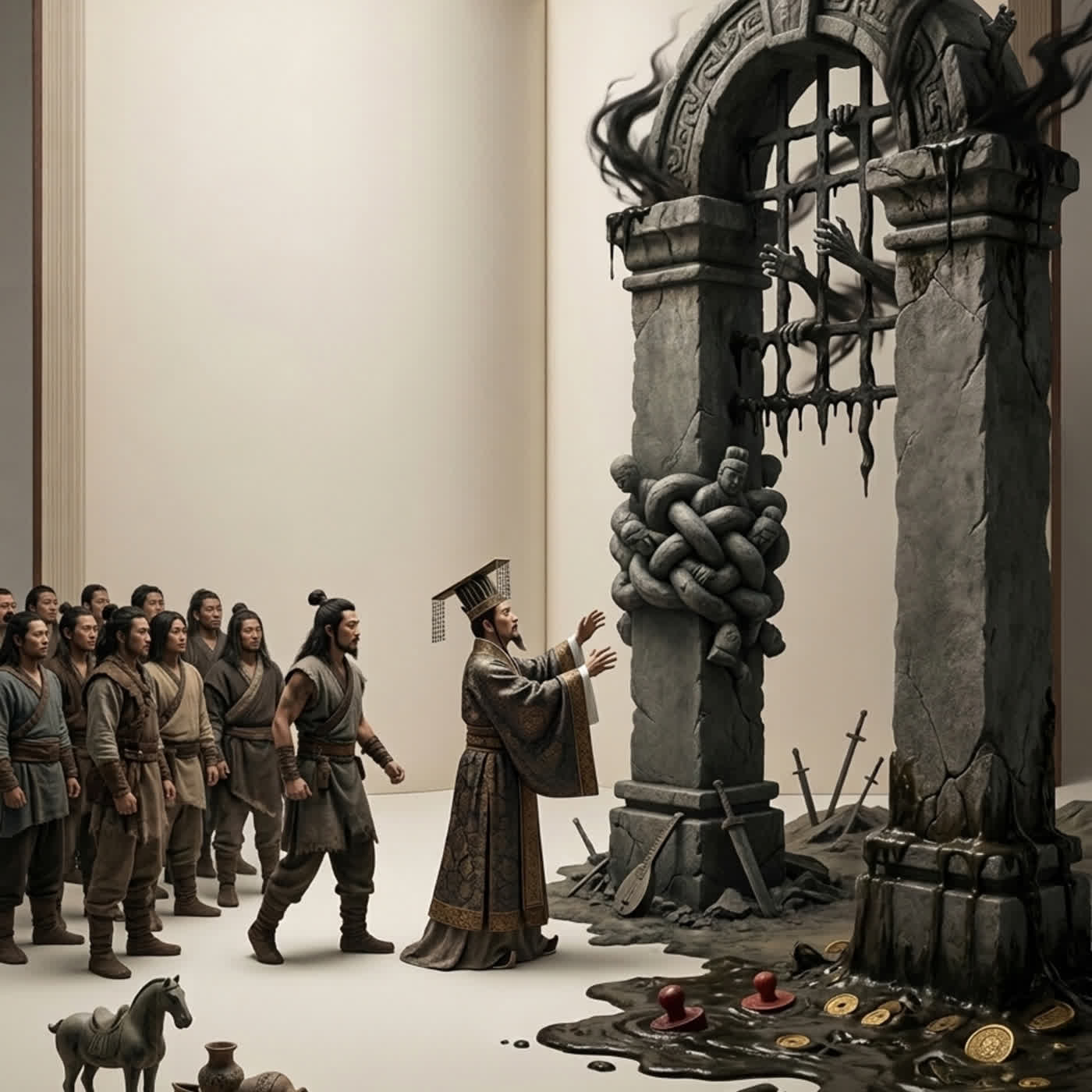
The "Soy Paste Vat" Trap: Why One of History’s Greatest Empires Traded Freedom for Corruption
The Bo Yang Critique: Volume 17 of Zizhi Tongjian Jishi Benmo In his biting historical commentary, Bo Yang explores the downfall of the Xianbei people. Originally, they were a powerful, nomadic force defined by an egalitarian "Meritocracy." In their early days, your ability spoke for you. There were no salaries; officials lived off the land, and the tribe survived as a collective "village" where everyone had a duty. But then, they looked at China—and they fell for the wrong things. -------------------------------------------------------------------------------- 🛑 The Three Toxins of "Sinicization" Bo Yang argues that the Xianbei didn't adopt Chinese art or deep philosophy; they adopted the "easier" shortcuts to power: 1. From Merit to the Clan System (門閥): Nomadic life was fair—if you were capable, you led. However, the "Selfish Gene" took over. The Xianbei adopted the Clan System as an excuse to hoard wealth and power for certain families, creating a vertical hierarchy that killed the spirit of the tribe. 2. Ritual as a Weapon of Control (禮教): They took Confucianism—originally a guide for harmony—and turned it into an evil tool for manipulation. These "Oppressive Rituals" were used to force submission and make the common people easier to manage. 3. The Ultimate "Free Lunch" (Corruption): The Xianbei learned that using government power to take from others was "easy and highly profitable." They traded their self-sufficient nomadic roots for a complex system of bribery and extortion. -------------------------------------------------------------------------------- 🐎 The Mongolian Exception: Survival via Resistance Why is there still a country called Mongolia today, but no "Xianbei-land"? Bo Yang offers a controversial theory: The Mongols were the only ones who resisted being dissolved in the "Soy Paste Vat" of Chinese bureaucracy. When they could no longer rule, they simply retreated to the steppe, preserving their identity rather than being absorbed and extinguished by the culture they conquered. -------------------------------------------------------------------------------- 🧠 The Modern Takeaway: The "Dirty Word" Theory The most profound part of this analysis is why this happens. Just as children often pick up "dirty words" in a new language first because they are high-impact and easy to learn, the Xianbei picked up the "ugly" parts of Chinese culture first. The Lesson for Us Today: * Ease is a Trap: The "bad" parts of a system—corruption, shortcuts, and power-tripping—are always easier to learn than the virtues. * Beware what you admire: When we learn a new skill or join a new culture, we must be extremely cautious. If we only adopt the "easy" benefits without the "hard" discipline, we don't just lose our way—we risk extinction.
2026-04-21
Most beautiful idiotic woman
Overview The early 6th century (515–528 AD) in China was a volatile era where the Northern Wei Dynasty—a nomadic Xianbei empire undergoing rapid Sinicization—began to tear itself apart. In his work Zizhi Tongjian Jishi Benmo, the historian Bo Yang offers a controversial yet profound critique of Empress Dowager Hu, labeling her the "Most Beautiful Idiotic Woman." This title reflects the tragic conflict between her physical allure, her political talent, and the ultimate "idiocy" of her irrational greed. -------------------------------------------------------------------------------- Historical Context: An Empire in Turmoil To understand the tragedy, one must look at the landscape of 6th-century China: * The North-South Divide: Since the fall of the Western Jin in 316 AD, China was split. The Northern Wei had finally unified the north, but they faced constant pressure from the Southern Liang Dynasty (led by Emperor Wu). * The Six Garrisons Rebellion: As the Northern Wei elite moved south to Luoyang and adopted Chinese (Han) customs, the soldiers at the northern border—the Six Garrisons—felt abandoned and discriminated against. This ethnic and economic inequality triggered a massive rebellion in the 520s. * The Sinicization Paradox: The Xianbei people were nomads at heart. While they adopted Chinese bureaucracy, the clash between their traditional "martial" roots and the new "civilized" Confucian ideals created deep social instability. -------------------------------------------------------------------------------- The Leading Actress: Empress Dowager Hu Empress Hu was a woman of immense talent and beauty, but her reign is divided into two halves: 1. The Capable Regent: Early on, she managed the empire effectively while her son, Emperor Xiaoming (Yuan Xu), was a child. 2. The Descent into Lust and Greed: As she aged, she became obsessed with power and a scandalous affair with a lover. When her son turned 17 and attempted to reclaim his rightful authority in 528 AD, she committed the unthinkable: she poisoned her own son. -------------------------------------------------------------------------------- The "Idiotic" Choice and the General's Revenge Bo Yang’s critique centers on the irrationality of human nature. * Betraying Nature: Hu killed her own flesh and blood to protect her power and her lover. Bo Yang argues this was "idiotic" because no lover could ever be as loyal or as "natural" a bond as that of a son. * The Catalyst, Erzhu Rong: The assassination of the Emperor gave the warlord Erzhu Rong the perfect excuse. He marched on the capital, captured the Empress and her infant puppet, and drowned them both in the Yellow River. This event, followed by the massacre of the aristocracy, led directly to the empire splitting into Eastern and Western Wei. -------------------------------------------------------------------------------- Core Reflections: Beauty, Lust, and Rationality Your analysis brings out three vital lessons from this history: 1. The Double-Edged Sword of Appearance: Beauty can attract influence, but it also attracts predators. Relying on physical appeal without moral grounding is a "two-sided knife." 2. The Trap of Greed: Empress Hu’s inability to "share" or "return" power to her son shows how unchecked ambition eventually destroys the possessor. 3. Cultural Friction: The tragedy was exacerbated by the clash between nomadic freedom (where remarriage and female power were common) and Confucianism (which demanded widowhood and submission). Empress Hu was caught between these two worlds and failed to navigate either. -------------------------------------------------------------------------------- Final Thought: History isn't just about dates and battles; it's a mirror for the human psyche. Empress Hu’s story serves as a cautionary tale: when lust and greed outgrow rationality, even the most powerful and beautiful figures will eventually cause their own destruction.
2026-03-24
The Crown of Corpse: Why Ancient China’s Bloodiest Era is a Warning for Today
Blood, Crowns, and the Cycle of Madness The history of the Northern and Southern Dynasties is not a story of progress; it is a ledger written in blood. In his Notebooks on the Comprehensive Mirror in Aid of Governance, Bo Yang captures this era with a chilling subtitle: "The Xiao and Yuan Families: A Tournament of Internal Carnage." On one side, the Xiao family of the South; on the other, the Yuan family of the North—a clan that traded their original name, Tuoba, for a Chinese identity, only to lose their souls to the pursuit of absolute power. Bo Yang’s message is a visceral warning. He forces us to stare into the abyss of human behavior to ensure we never fall back in. The era was defined by two interlocking demons: Power Struggles and Cyclical Violence. The Architecture of Ambition In the shadows of the palace, the struggle for the throne was a multi-tiered hell. First, it was fratricide—brothers murdering brothers because, in an autocracy, blood is thinner than gold. Then, it expanded to the cliques: powerful interest groups circling the royal family like vultures, waiting for a moment of weakness. Finally, it became total war—regime against regime, North against South, fueled by a greed so insatiable that the resources of an entire nation were never enough. The Anatomy of the Cycle How does a society descend into such madness? It follows a predictable, lethal rhythm: 1. Conflict: In a democracy, we have courts and ballots. In an autocracy, a disagreement is a death sentence. 2. Betrayal: Loyalty was a currency that bought nothing. The quickest way to a rival's heart was through a traitor’s blade. 3. Bloodshed: This was the final, gruesome act. Execution was not enough; they sought to erase entire lineages. And the bitter irony? The traitors were often the first to be slaughtered by their new masters—because a man who betrays once will surely betray again. The Mirror of History Today, we live under the shield of the Democratic Republic. We have checks and balances. We have the administration, the legislature, and the judiciary—a system designed to ensure that no single hand can ever again hold the "Ultimate Power" that drove the Xiao and Yuan families to extinction. We must look into the mirror of the Northern and Southern Dynasties and realize how lucky we are. History is not just a record of the past; it is a warning for the future. We must preserve our system, for the alternative is a return to the "Internal Carnage" where humans are treated not as citizens, but as animals for the slaughter. -------------------------------------------------------------------------------- The Summary Through the lens of Bo Yang’s historical commentary, this script explores the brutal "Cyclical Violence" of the Northern and Southern Dynasties. It contrasts the horrific internal massacres and betrayals of the Xiao and Yuan royal families with the stability of modern checks and balances. The core takeaway is a plea for historical reflection: we must cherish and protect democracy to prevent the return of an era where power is bought with the blood of one's own kin.
2026-03-09
The "Soy Paste Vat" Trap: Why One of History’s Greatest Empires Traded Freedom for Corruption
The Bo Yang Critique: Volume 17 of Zizhi Tongjian Jishi Benmo In his biting historical commentary, Bo Yang explores the downfall of the Xianbei people. Originally, they were a powerful, nomadic force defined by an egalitarian "Meritocracy." In their early days, your ability spoke for you. There were no salaries; officials lived off the land, and the tribe survived as a collective "village" where everyone had a duty. But then, they looked at China—and they fell for the wrong things. -------------------------------------------------------------------------------- 🛑 The Three Toxins of "Sinicization" Bo Yang argues that the Xianbei didn't adopt Chinese art or deep philosophy; they adopted the "easier" shortcuts to power: 1. From Merit to the Clan System (門閥): Nomadic life was fair—if you were capable, you led. However, the "Selfish Gene" took over. The Xianbei adopted the Clan System as an excuse to hoard wealth and power for certain families, creating a vertical hierarchy that killed the spirit of the tribe. 2. Ritual as a Weapon of Control (禮教): They took Confucianism—originally a guide for harmony—and turned it into an evil tool for manipulation. These "Oppressive Rituals" were used to force submission and make the common people easier to manage. 3. The Ultimate "Free Lunch" (Corruption): The Xianbei learned that using government power to take from others was "easy and highly profitable." They traded their self-sufficient nomadic roots for a complex system of bribery and extortion. -------------------------------------------------------------------------------- 🐎 The Mongolian Exception: Survival via Resistance Why is there still a country called Mongolia today, but no "Xianbei-land"? Bo Yang offers a controversial theory: The Mongols were the only ones who resisted being dissolved in the "Soy Paste Vat" of Chinese bureaucracy. When they could no longer rule, they simply retreated to the steppe, preserving their identity rather than being absorbed and extinguished by the culture they conquered. -------------------------------------------------------------------------------- 🧠 The Modern Takeaway: The "Dirty Word" Theory The most profound part of this analysis is why this happens. Just as children often pick up "dirty words" in a new language first because they are high-impact and easy to learn, the Xianbei picked up the "ugly" parts of Chinese culture first. The Lesson for Us Today: * Ease is a Trap: The "bad" parts of a system—corruption, shortcuts, and power-tripping—are always easier to learn than the virtues. * Beware what you admire: When we learn a new skill or join a new culture, we must be extremely cautious. If we only adopt the "easy" benefits without the "hard" discipline, we don't just lose our way—we risk extinction.